
How a Manufacturer Cut Unplanned Downtime by 34% with Predictive Maintenance
Every Repair, Was a Surprise
Atlas Manufacturing runs three production lines around the clock, and maintenance was entirely reactive: equipment ran until it failed, then the line stopped while a technician diagnosed the problem from scratch. Scheduled inspections caught some issues, but the majority of failures showed up with no warning, often during peak production windows.
Plant managers had no real visibility into equipment health between inspections. A bearing wearing out over three weeks looked identical to a healthy machine right up until the moment it failed, which meant every unplanned stoppage cost the same in lost production time, whether it was preventable or not.
What Success Needed to Look Like
- Predict equipment failures before they caused a production stoppage
- Reduce unplanned downtime across all three production lines
- Give plant managers real-time visibility into equipment health
- Shift maintenance spend from reactive repairs to planned interventions
Sensors That Catch a Problem Three Weeks Early, Not Zero
DSG deployed IoT sensors across critical equipment on all three lines, feeding vibration, temperature, and load data into a predictive model trained on Atlas’s own historical failure patterns. Instead of a fixed inspection schedule, plant managers now get an alert when a specific machine’s readings start drifting toward a known failure signature, days or weeks before it would actually break down.
AI & Intelligent Automation built and trained the predictive models; Data Engineering & Analytics built the pipeline and real-time dashboard that turns raw sensor data into something a plant manager can act on without needing to interpret a data science model themselves.
How the Engagement Unfolded
Plant Audit
Identified highest-impact equipment
Sensor Deployment
IoT sensors installed across 3 lines
Model Training
Trained on Atlas's own failure history
Pilot
One line, validated against real failures
Full Rollout
Extended across the remaining lines
The Stack Behind the Migration
20 Weeks, Start to Full Rollout
Plant Audit
Sensor Deployment
Model Training
Pilot
Full Rollout
Before vs. After
Before
After
The Numbers
34%
Reduction in unplanned downtime
33 hrs
Downtime avoided monthly
48
Machines under live monitoring
~94%
Faster failure detection
"The predictive maintenance models paid for themselves inside the first quarter. What stood out was how much DSG's team learned about our actual floor operations before writing a line of code.""
The Platform in Action

Manufacturer Cut Unplanned Downtime
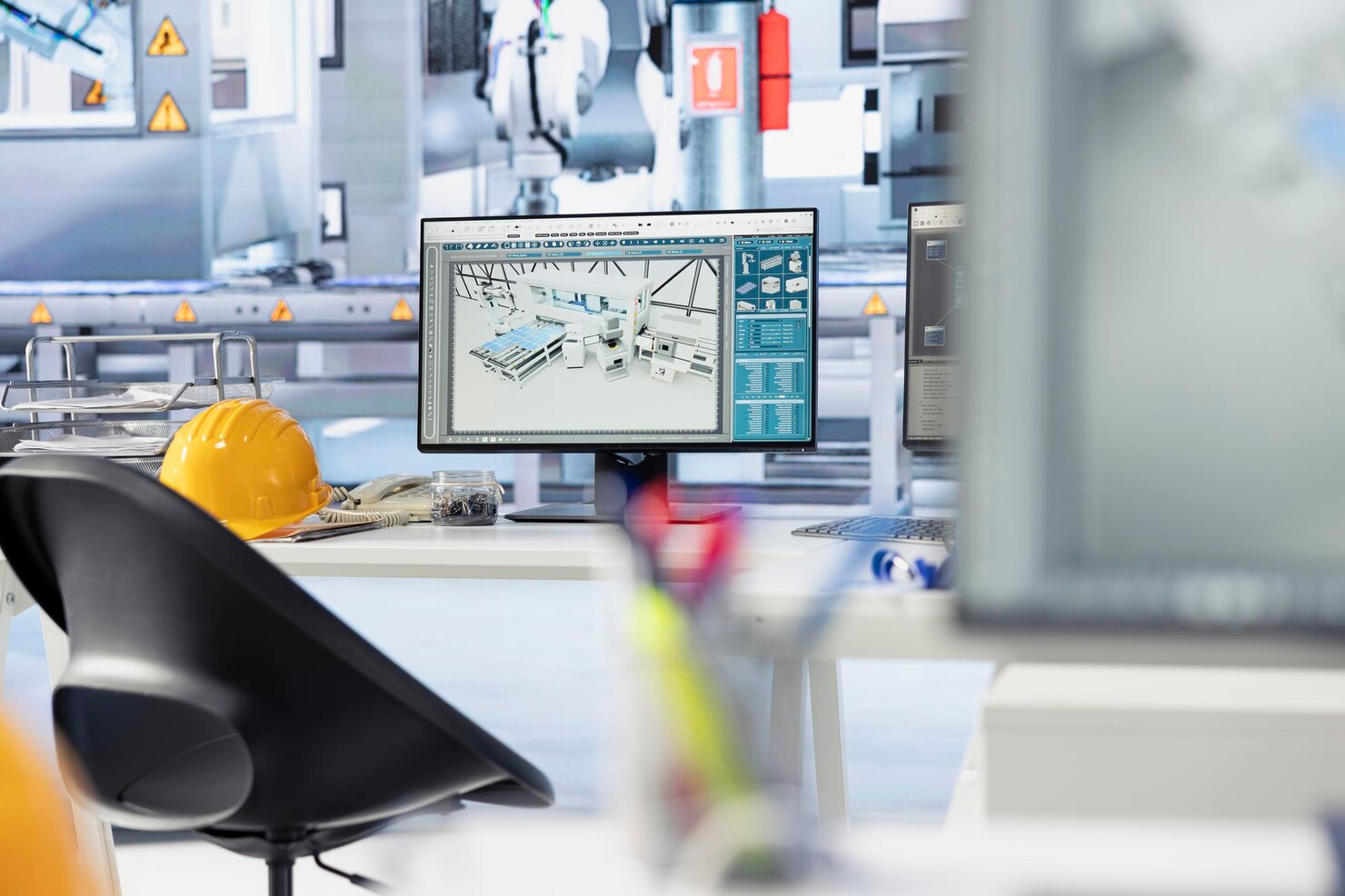
Manufacturer Cut Unplanned Downtime

Manufacturer Cut Unplanned Downtime
More Case Studies
 Financial Services · Cybersecurity
 Retail & E-Commerce · Enterprise Applications
 Healthcare · AI
Want Results Like This?
Talk to DSG about what's slowing your operations down. We'll tell you honestly whether this is the right fix.
Book a Consultation