
How a Regional Hospital Network Cut Patient Intake Time by 68%
Four Hospitals, Three Systems, One Slow Front Desk
Beacon Health Systems operates four hospital sites across its region, each handling patient intake through a mix of paper forms and two legacy scheduling systems that didn’t communicate with each other. Front-desk staff manually re-entered patient information across systems for every visit, and a single intake could take over twenty minutes during peak hours.
Leadership had tried smaller fixes: additional front-desk staff, a scheduling add-on for one system. Neither addressed the root problem. Intake was a manual process stitched across incompatible systems, and it wasn’t going to scale as patient volume grew.
What Success Needed to Look Like
- Cut average patient intake time significantly, without adding front-desk headcount
- Unify scheduling and patient data across all four hospital sites
- Reduce manual data-entry errors between systems
- Roll out without disrupting active hospital operations
An AI-Assisted Intake Platform, Integrated Into Existing Systems
DSG designed and built an AI-assisted patient intake platform that sits in front of Beacon’s existing electronic health record systems rather than replacing them, avoiding a disruptive full system migration. The platform guides patients and staff through intake digitally, auto-fills returning-patient information, and syncs data across all four sites in real time.
The build combined DSG’s AI & Intelligent Automation team for the intake assistant itself with the Enterprise Application Services team for the integration work connecting it to Beacon’s existing systems, exactly the kind of engagement where DSG’s one-team delivery model, rather than a handoff between separate vendors, made the difference.
How the Engagement Unfolded
Discovery
Front-desk interviews at all four sites
Design
Workflow mapped and validated with staff
Build
Intake assistant built alongside integration
Pilot
Single site, refined from real usage
Rollout
Phased across the remaining three sites
The Stack Behind the Migration
16 Weeks, Start to Full Rollout
Discovery
Design
Build
Pilot
Full Rollout
Before vs. After
Before
After
The Numbers
68%
Faster patient intake
94%
Staff adoption within 60 days
$420K
Estimated annual savings
4
Hospital sites live
"Our front-desk teams were skeptical at first. They'd been burned by a previous system rollout. DSG spent real time with them before writing any code, and it showed. Intake times dropped from day one of the pilot."
The Platform in Action

Hospital Network Patient Intake
Hospital Network Patient Intake
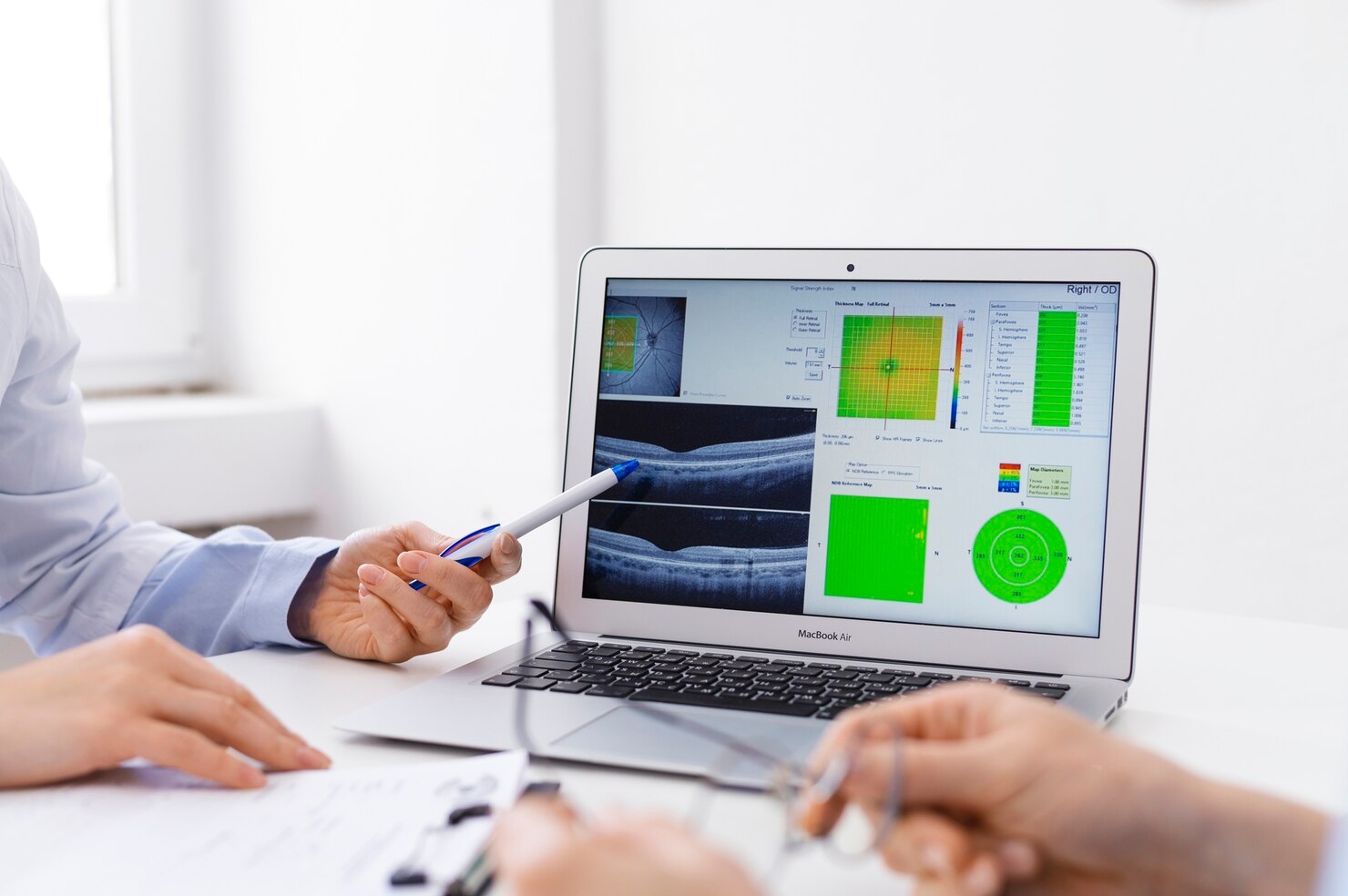
Hospital Network Patient Intake
More Case Studies
 Financial Services · Cybersecurity
 Retail & E-Commerce · Enterprise Applications
 Manufacturing · AI
Want Results Like This?
Talk to DSG about what's slowing your operations down. We'll tell you honestly whether this is the right fix.
Book a Consultation